Understanding Coronavirus Symptoms and the Power of Visual Communication
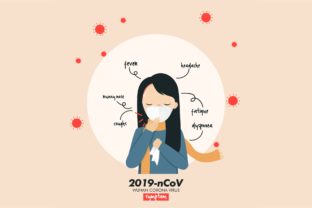
Coronavirus symptoms have become a critical area of understanding since the emergence of the pandemic. These symptoms range from mild to severe and can vary significantly from person to person. Recognizing them early is essential for timely medical intervention and preventing further transmission. Common symptoms include fever, dry cough, fatigue, shortness of breath, loss of taste or smell, and body aches. However, the way these symptoms manifest can differ based on age, pre-existing conditions, and individual immune response.
One of the biggest challenges in managing the spread of the virus has been effective communication. With an overload of information and misinformation, it's vital to present coronavirus symptoms in a clear, concise, and visually engaging way. This is where a coronavirus symptom infographic in vector illustration with flat design style becomes invaluable. Such infographics simplify complex health information, making it more accessible to a broader audience.
Why Visual Tools Matter in Communicating Symptoms
Visual communication plays a key role in public health education. The human brain processes images 60,000 times faster than text, which means that infographics can convey critical information about coronavirus symptoms more efficiently. A well-designed coronavirus symptom infographic can help individuals quickly identify what to look for and when to seek help.
Flat design style, known for its minimalistic and clean appearance, is particularly effective for this purpose. It removes unnecessary visual clutter and focuses on clarity and usability. When paired with vector illustrations, these infographics can be scaled to any size without losing quality, making them suitable for digital and print use across various platforms.
Applications Across Different Audiences
Whether you're a healthcare professional, educator, business owner, or community leader, a coronavirus symptom infographic can be adapted to suit your specific communication needs. For example:
- Healthcare providers can use these visuals in waiting rooms or patient education materials to support symptom recognition and self-assessment.
- Schools and universities can post them in common areas to remind students and staff of key symptoms and preventive actions.
- Businesses may include them in internal communications or posted signage to promote workplace safety and health awareness.
- Public health agencies can distribute them via websites and social media to reach a wide audience quickly.
Each of these users may approach the topic differently based on their audience and context. A hospital may focus on more detailed medical descriptions, while a local gym might emphasize self-monitoring and staying home when symptomatic. The flexibility of vector illustrations allows for easy customization to meet these varied needs.
Practical Benefits of Vector-Based Infographics
Vector illustration formats like AI (Adobe Illustrator), EPS, SVG, and JPG offer distinct advantages for creating and sharing coronavirus symptom infographics:
- AI and EPS files are ideal for editing and scaling without quality loss, making them perfect for designers who need to tweak visuals for different uses.
- SVG files are web-friendly and can be integrated into websites without compromising resolution, ensuring fast load times and clear visuals on all devices.
- JPG files are widely compatible and easy to share across platforms, making them ideal for quick distribution on social media or printed materials.
These formats allow for seamless integration into both digital and physical communication strategies, ensuring that the message about coronavirus symptoms reaches the right people in the most effective way possible.
How to Use Coronavirus Symptom Infographics Effectively
Creating an effective coronavirus symptom infographic involves more than just listing symptoms. It requires thoughtful design and clear messaging. Here are some best practices to consider:
- Focus on clarity: Avoid complex medical jargon. Use simple language and icons to represent each symptom visually.
- Use color strategically: Highlight key symptoms with contrasting colors to draw attention. Red, for example, can be used to indicate high-priority symptoms like difficulty breathing.
- Include actionable steps: Alongside symptoms, provide guidance on what to do if someone experiences them — such as contacting a healthcare provider or self-isolating.
- Ensure mobile compatibility: With many people accessing information on their phones, make sure the infographic is readable on smaller screens.
- Update regularly: As new symptoms or variants emerge, keep the infographic current to maintain its relevance and accuracy.
Real-World Examples and Recommendations
Many organizations have successfully used coronavirus symptom infographics to enhance public awareness. For instance, the World Health Organization (WHO) and the Centers for Disease Control and Prevention (CDC) have published visual guides that break down symptoms and preventive measures in a user-friendly format.
Local governments and NGOs have also adopted this approach. Some have created multilingual versions to ensure inclusivity, while others have added QR codes linking to online symptom checkers or testing centers. These practical adaptations show how versatile and effective visual tools can be in addressing the needs of diverse populations.
If you're considering creating your own coronavirus symptom infographic, start by identifying your target audience and their specific needs. Then, choose the right design tools and formats — such as Adobe Illustrator for AI and EPS files, or online editors for SVG and JPG versions — to bring your vision to life. Collaborating with healthcare professionals can also help ensure the accuracy and credibility of the information presented.
Final Thoughts
In today's fast-paced digital world, conveying complex health information clearly and effectively is more important than ever. A coronavirus symptom infographic in vector illustration with flat design style offers a powerful solution. It not only enhances understanding but also empowers individuals to take proactive steps in protecting their health and the health of others.
Whether you're a healthcare provider, educator, or communicator, leveraging visual tools like these can make a real difference in how people perceive and respond to coronavirus symptoms. By making use of AI, EPS, SVG, and JPG file formats, you can ensure your message is both high-quality and widely accessible. In the end, clear communication saves lives — and that's what matters most.