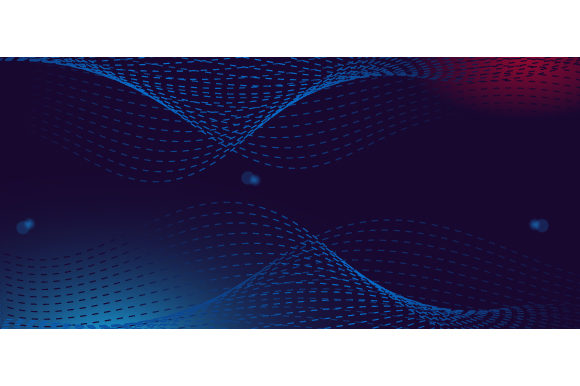
Understanding Abstract Particles Line Concept Design for Modern Web and Infographic Use
Abstract Particles Line Concept Design has become a popular visual element in modern web design, infographics, and technology-themed wallpapers. This design style typically features flowing lines, scattered particle effects, and subtle motion cues that evoke a sense of digital energy and connectivity. Whether you're a designer, marketer, or content creator, incorporating this concept can elevate the visual appeal of your projects—provided you understand how to use it effectively.
What Makes Abstract Particles Line Concept Design Unique?
At its core, the Abstract Particles Line Concept Design mimics dynamic particle systems often seen in digital interfaces, simulations, and futuristic visuals. These designs blend minimalism with complexity, offering a balance between structure and randomness. They're commonly used as background elements, animated transitions, or thematic components in technology-related content.
Available in AI, EPS, JPG, and PNG formats, these designs offer flexibility for both vector editing and direct use in web or print media. However, their effectiveness hinges on proper application and context.
Common Mistakes When Using Abstract Particles Designs
Despite their aesthetic appeal, many users make avoidable mistakes when incorporating these designs into their work. Recognizing these pitfalls early can save time, improve quality, and ensure your visuals communicate effectively.
1. Overloading the Visual Space
One of the most common issues is using too many particle effects or layering multiple abstract elements together. While each individual design might look great on its own, combining them can create visual clutter that distracts from the main content.
Better approach: Choose one dominant Abstract Particles Line Concept Design as a background and keep foreground elements clean and minimal. This allows the design to enhance, not overwhelm, your message.
2. Ignoring File Format Limitations
Each file format—AI, EPS, JPG, PNG—has its own use case. For example, JPG files are great for web use due to their small file size, but they don’t support transparency. PNG files do support transparency but can be large. Vector formats like AI and EPS are ideal for scaling without quality loss but may not be compatible with all platforms.
Better approach: Match the file type to your intended use. Use vector formats (AI/EPS) for scalable graphics like logos or illustrations. Use PNG for transparent backgrounds and JPG for lightweight web images.
3. Misjudging Color and Contrast
Many Abstract Particles Line Concept Designs come in dark or neon color schemes that look impressive in isolation but may not work well with your content's color palette. Poor contrast can also make text or interface elements hard to read.
Better approach: Test the design in your intended environment. Adjust brightness, contrast, or overlay colors to ensure readability and visual harmony. A subtle gradient overlay can often make a dark particle background more usable.
4. Using Generic Templates Without Customization
Some users download pre-made templates based on the Abstract Particles Line Concept and use them without customization. While templates are a helpful starting point, they can make your design look generic if not tailored to your brand or message.
Better approach: Treat templates as a foundation. Modify line thickness, color gradients, and particle density to align with your brand identity and project goals.
What to Check Before Downloading or Using Abstract Particles Line Concept Designs
Before integrating these designs into your workflow, it’s important to evaluate them for compatibility, quality, and suitability for your project. Here are a few practical checks to consider:
- License Type: Ensure the design is available under a license that matches your intended use—commercial or personal.
- Resolution and Scalability: For print or large-scale use, always opt for vector formats (AI or EPS) to maintain clarity at any size.
- File Size: Large PNG files can slow down websites. Compress images when possible without sacrificing quality.
- Compatibility: Check if your software supports the file format you're downloading. Some platforms may not open AI or EPS files without conversion.
How to Choose the Right Abstract Particles Line Concept Design
Not all designs are created equal. Here are a few practical tips to help you select a design that works best for your needs:
- Match the Theme: Look for designs that reflect the tone of your project. For example, soft, flowing lines may suit a wellness or creativity theme, while sharp, geometric particles work better for tech or innovation topics.
- Consider Animation Potential: If you plan to use the design in an animated format, choose a design that lends itself well to movement and transitions.
- Preview in Context: Many marketplaces offer preview tools or mockups. Use them to see how the design will look in your actual layout before purchasing or downloading.
Improving Communication and Presentation with Abstract Particles
When used correctly, Abstract Particles Line Concept Designs can enhance communication by guiding visual flow and adding emotional depth. In infographics, they can help illustrate complex systems or abstract ideas like data flow, network connections, or digital transformation.
Example: Imagine you're designing an infographic about AI development. A subtle particle background can visually represent neural networks or data streams, making the concept more relatable and engaging for viewers.
Final Thoughts: Use Abstract Particles with Purpose
The Abstract Particles Line Concept Design is a powerful tool when used thoughtfully. It can bring life to digital content, support storytelling, and create a modern aesthetic. But like any design element, its value lies in how well it serves your purpose—not just how visually appealing it is.
By avoiding common mistakes, choosing the right format, and customizing the design to fit your needs, you can ensure your visuals are both beautiful and effective. Whether you're building a website, designing an infographic, or creating a technology-themed wallpaper, take the time to evaluate and apply these designs with intention.