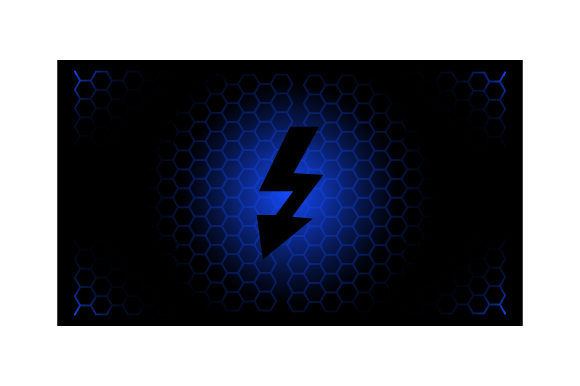
Enhancing Visual Impact with Power Background Design
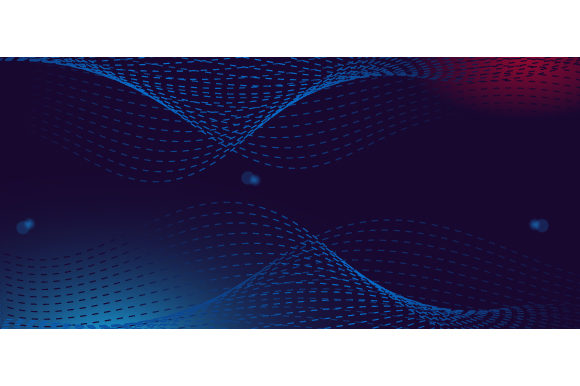
Visual design plays a pivotal role in capturing attention, conveying messages, and building brand identity. In this context, Power Background Design has emerged as a powerful tool for creators, marketers, and web designers who aim to elevate the aesthetics and effectiveness of their digital content. Unlike generic background elements, Power Background Design emphasizes intentional, high-impact visuals that complement and enhance the primary content they support.
Whether it's for a website header, an infographic, or a promotional banner, the background is no longer just a passive layer. It's a strategic design element that contributes to user engagement, brand consistency, and visual storytelling. With the availability of multiple file formats—AI, EPS, JPG, and PNG—designers can integrate these backgrounds seamlessly into various platforms and workflows, ensuring flexibility without compromising quality.
Why Power Background Design Matters Today
In an era where attention spans are short and competition for visual engagement is fierce, the quality of background design can make or break a user’s first impression. A well-crafted background doesn’t just look good—it supports the content, guides the viewer’s eye, and reinforces the overall message. This is especially important in web and graphic design, where the background often sets the tone for the entire experience.
Modern audiences expect polished, cohesive visuals. Power Background Design meets this demand by offering scalable, adaptable solutions that maintain clarity across devices and screen sizes. Whether used in a responsive website layout or a print-ready infographic, these backgrounds ensure that the design remains visually compelling without overwhelming the core message.
Integration with Current Design Trends
Today’s design landscape is shaped by minimalism, motion, and meaningful interactivity. Power Background Design aligns naturally with these trends by offering clean, purposeful visuals that enhance rather than distract. For instance, subtle gradients, layered textures, or abstract shapes can add depth and sophistication to a website without compromising load times or usability.
Moreover, the shift toward mobile-first design and cross-platform consistency has increased the need for adaptable background assets. With Power Background Design available in vector (AI, EPS) and raster (JPG, PNG) formats, designers can scale visuals without losing quality, ensuring a seamless experience across desktop, tablet, and mobile interfaces.
Evolution of Background Design in Digital Media
Background design has come a long way from static, tiled images and basic color fills. Early web design often treated backgrounds as an afterthought—something to simply fill space. However, as design tools and user expectations evolved, backgrounds became more expressive and functional.
Today, backgrounds are integral to the storytelling process. They help establish brand identity, guide visual hierarchy, and even influence user behavior. Power Background Design represents the next step in this evolution—where backgrounds are not only visually appealing but also strategically aligned with content goals and user experience principles.
Practical Applications Across Design Disciplines
From website headers to data visualizations, Power Background Design offers versatile applications across multiple design formats. Here’s how different professionals can benefit from incorporating these backgrounds into their work:
- Web Designers: Use high-quality backgrounds to create immersive landing pages or section dividers that enhance user navigation and engagement.
- Marketers: Apply branded backgrounds to banners, social media graphics, and email headers for consistent and eye-catching campaigns.
- Infographic Creators: Choose subtle textures or gradients that complement data visuals without overshadowing key insights.
- Educators and Presenters: Utilize clean, professional backgrounds to support slides and educational materials without distracting from the message.
With the availability of AI and EPS vector files, designers can easily edit and customize backgrounds to match brand guidelines. Meanwhile, JPG and PNG files provide quick access for immediate use in platforms that don’t support vector editing.
Choosing the Right Format for Your Project
Selecting the appropriate file format is crucial for achieving both visual quality and technical efficiency. Here’s a quick guide to help you decide which format works best:
- AI (Adobe Illustrator): Ideal for full customization and scalability. Best for designers who need to edit individual elements within the background.
- EPS (Encapsulated PostScript): Suitable for vector-based printing and compatibility with older design software. Often used in professional print design.
- JPG (Joint Photographic Experts Group): A compressed raster format best for web use where file size and loading speed are important.
- PNG (Portable Network Graphics): Offers lossless compression and transparency support, making it perfect for digital overlays and icons.
Understanding the strengths of each format ensures that your Power Background Design integrates smoothly into your workflow, whether you're designing for print, web, or multimedia platforms.
Real-World Examples and Design Considerations
Consider a modern SaaS website: the homepage often features a hero section with a bold headline, a clear call-to-action, and a background that reinforces the brand’s tone. A well-chosen Power Background Design can subtly evoke professionalism, innovation, or creativity—depending on the brand’s personality.
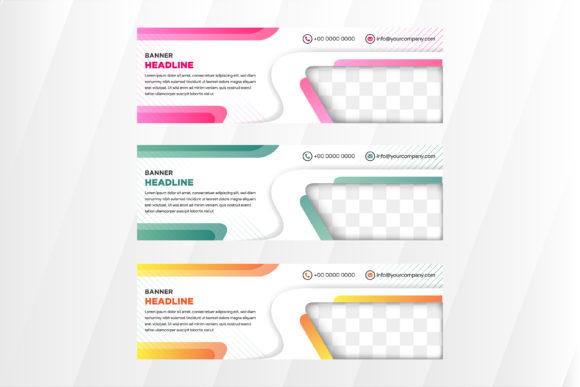
In infographics, background elements can help organize information visually. For example, a muted geometric pattern can add interest without competing with charts and text. Similarly, promotional banners benefit from backgrounds that draw attention without overshadowing the main message—making them more effective in digital advertising and email marketing.
When incorporating Power Background Design into your projects, always consider contrast, readability, and alignment with your brand’s visual language. A background should enhance the message, not obscure it.
Future-Proofing Your Design Workflow
As digital design continues to evolve, so do the expectations around visual quality and performance. Power Background Design not only meets current standards but also adapts to future trends. With scalable vector assets and compatibility across design tools, these backgrounds offer long-term value for professionals who want to maintain a polished, cohesive look across all their visual content.
Additionally, as more platforms emphasize accessibility and performance, designers must ensure that backgrounds don’t hinder readability or slow down page loads. Power Background Design addresses these concerns by offering optimized, lightweight options that maintain visual appeal without compromising functionality.
Final Thoughts: Designing with Purpose
In today’s visually driven digital landscape, every design element should serve a clear purpose. Power Background Design empowers creators to build more engaging, professional, and brand-aligned visuals without unnecessary complexity. Whether you're designing a website, an infographic, or a promotional banner, thoughtful background choices can significantly elevate the overall impact of your work.
By leveraging the versatility of AI, EPS, JPG, and PNG formats, professionals across industries can integrate high-quality backgrounds into their projects with ease. As design trends continue to shift toward clarity, performance, and user-centric experiences, Power Background Design remains a relevant and valuable asset for modern creators.