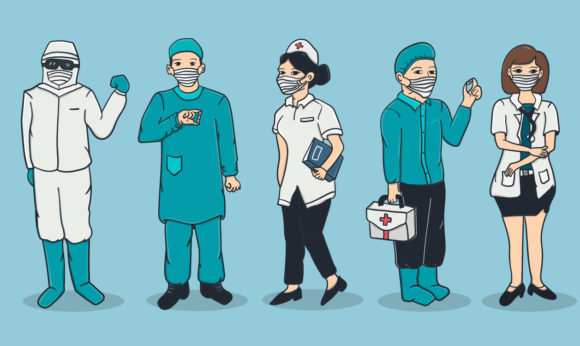
Medical Character: Elevating Design with Handcrafted Precision
Hand-drawn Medical Characters bring a unique blend of professionalism and personality to visual design, making them ideal for a wide range of creative applications. Whether used in branding, editorial layouts, or digital marketing, these characters—crafted using traditional paper and pencil techniques—offer a human touch that resonates with audiences across industries. Their versatility allows them to function effectively as mascots, icons, infographics, or logo elements, enhancing both user experience and brand identity.
Why Medical Characters Matter in Graphic Design
In today’s design landscape, authenticity and emotional connection are key differentiators. A Medical Character drawn by hand introduces a sense of warmth and approachability, especially valuable in healthcare, wellness, and educational sectors. Unlike generic stock illustrations, handcrafted visuals communicate care and intention, aligning with modern design trends that favor organic, human-centered aesthetics.
These characters are not only visually engaging but also highly adaptable. They can be scaled for print design, optimized for web design, or integrated into UI/UX frameworks without losing their expressive quality. This scalability ensures consistency across branding materials, from business cards to mobile app interfaces.
Applications Across Design Disciplines
- Branding and Logo Design: A Medical Character can become the cornerstone of a brand identity, serving as a memorable mascot or central visual motif.
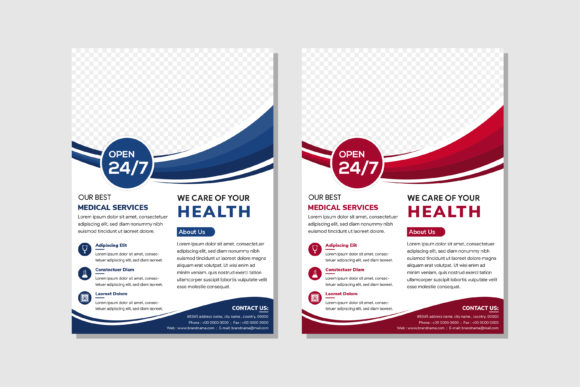
- Marketing Materials: Use in brochures, posters, and digital banners to add personality and visual hierarchy to healthcare campaigns.
- Social Media Graphics: Custom characters enhance engagement and recognition, especially in wellness or medical content strategies.
- Web and UI Design: Ideal for illustrations, loading animations, or interactive elements that guide user behavior.
- Packaging Design: Adds a relatable, professional touch to medical product packaging and health-focused merchandise.
Designing with Purpose: Tips for Effective Use
When integrating a Medical Character into your creative projects, consider the following best practices to ensure visual harmony and functional effectiveness:
- Maintain Consistency: Ensure the character’s style aligns with your existing brand assets, including typography, color palette, and imagery.
- Optimize for Readability: Avoid over-detailing that may distract from core messaging, especially in infographic or UI contexts.
- Test for Scalability: Vector-based versions allow for seamless adaptation across digital and print formats without quality loss.
- Align with Audience Expectations: A playful character may suit a pediatric clinic, while a more refined style fits corporate healthcare branding.
Enhancing Visual Communication with Typography and Color
Pairing a Medical Character with the right typography and color scheme can significantly elevate the design. For instance, soft blues and greens complement healthcare themes, while clean sans-serif fonts reinforce professionalism. These elements together create a cohesive visual language that supports both branding and user experience goals.
In editorial design or advertising campaigns, using the character as a focal point helps guide the viewer’s eye and reinforce key messages. In presentations or digital products, they can act as visual cues that simplify complex information and improve retention.
Ultimately, the success of a Medical Character lies in its ability to bridge creativity with clarity. When thoughtfully integrated into a design workflow, it enhances not only aesthetics but also communication. Whether you're crafting a brand identity, designing a website, or producing marketing materials, this hand-drawn asset offers a compelling way to connect with your audience while maintaining a polished, professional presentation.